Choosing the Right Indoor Air Filter: A Practical Guide for Healthier Living Spaces
In homes where the air we breathe shapes daily health and comfort, the filter is more than a barrier—it is a quiet guardian. This article, crafted in the spirit of National Geographic’s editorial lens, travels through the science of air filtration, the practical steps to evaluate options, and the human stories behind the devices that cleanse our living spaces. From hospital-grade hum of compact purifiers to the robust might of multi-stage filtering systems, we explore how to select a filter that fits your room, its occupants, and your budget.
Keywords: indoor air quality, air filters, HEPA, MERV ratings, CADR, air purification
What is the role of an air filter in your home?
Air filters operate as the frontline defense against particulates that drift through the home—dust, pollen, pet dander, mold spores, and the chemical legacies of everyday life. The filter's job is twofold: to trap particles to prevent them from circulating back into the living space, and to maintain a steady airflow that keeps HVAC systems efficient and energy-conscious. In modern households, filtration strategies are no longer a single-layer solution; they are a spectrum—from simple fiberglass furnace filters to elaborate multi-media cartridges integrated into whole-home purifiers.
Understanding this spectrum begins with the core categories: HEPA (high-efficiency particulate air) filters, activated carbon or chemical filtration, and standard HVAC filters. HEPA filters excel at capturing tiny particles, often down to 0.3 microns with 99.97% efficiency, while activated carbon filters specialize in adsorbing odors, VOCs, and gases. Many devices blend these elements to address both particles and chemicals, delivering a more holistic clean.
Key performance indicators: what to look for
When evaluating air filters, several metrics emerge as essential guideposts. CADR, or Clean Air Delivery Rate, measures how quickly a purifier can deliver clean air in a room, and it is typically expressed for smoke, dust, and pollen. A higher CADR translates to faster filtration, provided the unit is appropriately sized for the space. MERV ratings, on the other hand, apply to filter media embedded in HVAC systems; they indicate the filter’s ability to capture particles within a given size range. Higher MERV values signify greater efficiency but may reduce airflow if the system cannot compensate. For portable purifiers, CADR takes center stage, while for installed HVAC filters, MERV and filter resistance (pressure drop) become the balancing act.
Durability and lifespan matter too. Replacement interval estimates range from months to years, depending on usage, occupancy, and filter media. Longevity interacts with the overall system performance: a high-efficiency filter that is never replaced regularly offers little benefit. In the Austin Air ecosystem, for example, certain filters emphasize long-term life—with 5-year replacements designed to sustain performance in both residential and compact spaces.
Sizing up the space: choosing by room and device
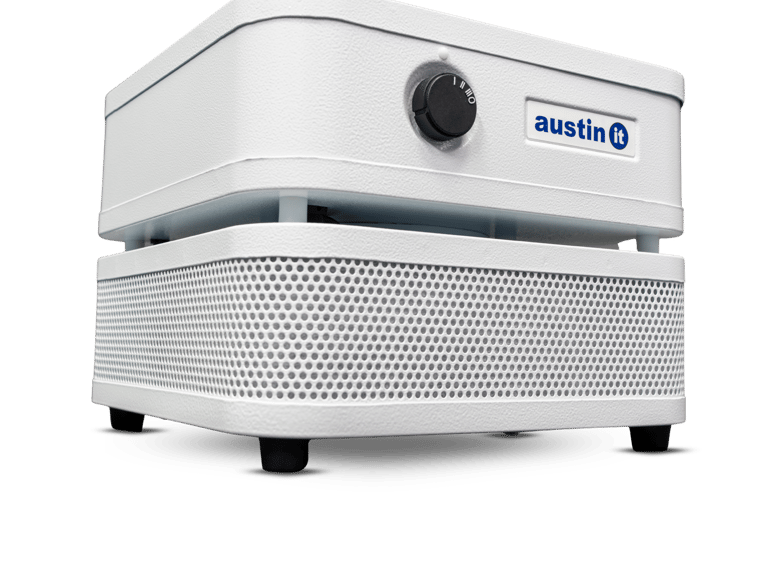
The path to the right filter begins with room assessment. A compact purifier such as the Austin Air It, a lightweight unit designed for personal spaces, is ideal for desks, bedrooms, or small home offices. Its hospital-grade HEPA capabilities ensure a high capture rate for fine particulates in a personal zone, while the 360-degree intake ensures air is drawn from all angles, preventing stale pockets of air. For larger living rooms or family spaces, a HealthMate Plus or Immunity Machine, with more expansive filtration and higher CADR, can maintain air clarity without overwhelming the room with noise.
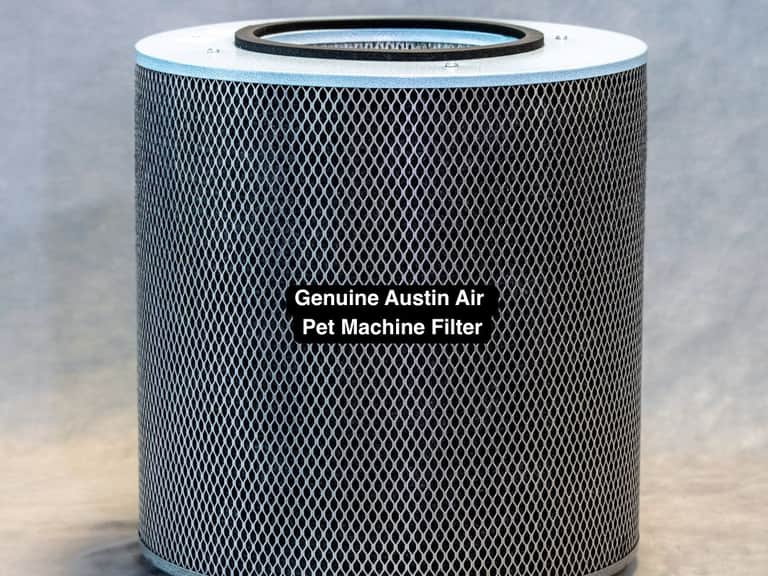
For those with pets, allergies, or chemical sensitivities, specialized filters address odors and VOCs in addition to particle capture. The Pet Machine Filter, for instance, combines impregnated carbon and mineral-based filtration with HEPA media to target pet-related odors and contaminants, all within a four-stage filtration scheme and a 360-degree air intake. Such tailored filters illustrate how a single device may benefit from an upgrade in media to meet specific living conditions.
A practical procurement plan: steps to buy wisely
Step 1: Map your space. Measure the room's square footage and ceiling height. Step 2: Note occupants and sensitivities. Do you have children, elderly residents, or anyone with asthma or allergies? Step 3: Identify the dominant pollutants. If pets or cooking odors are a concern, prioritize activated carbon layers and robust filtration. Step 4: Set your budget. A balance exists between high-grade media and affordability, and many families find value in devices that combine HEPA with carbon filtration. Step 5: Plan maintenance. Create a simple schedule for filter replacement and device cleaning to sustain performance.
Recommendation highlights: For compact, personal spaces, the Austin It offers portability and strong filtration with a four-stage system. For larger areas that demand persistent airflow and gas-phase filtration, HealthMate Plus or Immunity Machine options provide longer service life and broader coverage. For homes with pets and odors, Pet Machine Filter delivers targeted performance that complements the overall purifier system.
Three voices across time: perspectives on air, health, and science
Florence Nightingale (1820–1910): The nurse who mapped the unseen air
Nightingale’s legacy in sanitation and hospital design reveals the profound truth that environments shape health outcomes. Though centuries before modern HEPA filters, her insistence on cleanliness and ventilation foreshadowed the modern understanding that airflow and air quality are hospital-level concerns even within domestic spaces. Her emphasis on fresh air, reduced crowding, and sterility laid groundwork for indoor environments where filtration would later play a critical role. In our modern homes, her approach translates into mindful design: clean air as a public health imperative, and filtration as the second line of defense after ventilation.
Robert H. Langer (b. 1948): Innovation at the intersection of science and everyday life
Langer’s career embodies the bridge between laboratory breakthroughs and consumer products. While his work spans polymers and drug delivery, the spirit mirrors modern air filtration: translating high-performance media and micro-scale science into devices that improve daily living. The ethos is clear—filters are not merely components; they are engineered media that protect health, extend comfort, and enable sustainable living through design that prioritizes efficiency, durability, and user-friendly maintenance.
Arianna Huffington (b. 1950): Well-being through informed choices
Huffington’s advocacy for sleep, balance, and healthier environments echoes in the modern consumer pursuit of air quality. Her emphasis on evidence-based wellness aligns with how households should approach filtration: assess needs, read the data, and select solutions that support everyday vitality. Her voice reminds us that healthy air is a facet of holistic living—one that contributes to restful sleep, improved focus, and a safer home for families.
Product spotlight: filtration that blends science and daily life
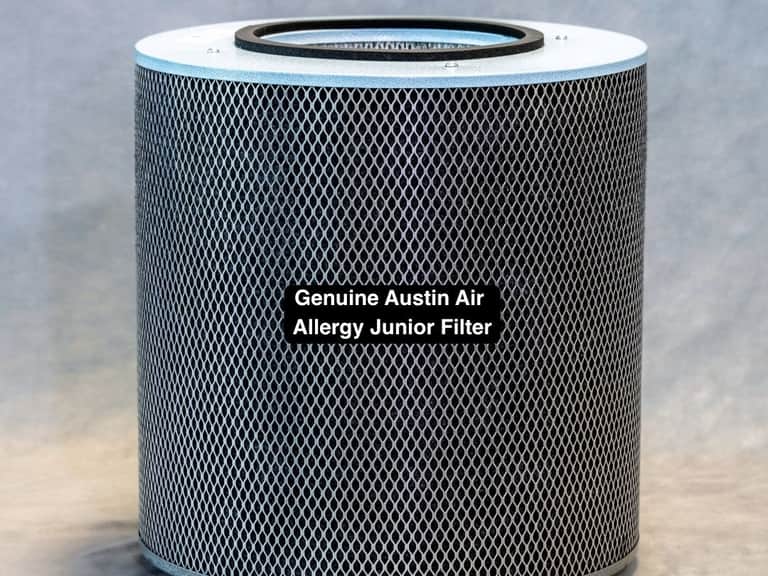
Among the tangible options, the Allergy Machine Junior Filter stands out as a practical example of multi-stage filtration designed for small spaces. Its four-stage system, featuring True Medical-Grade HEPA and a Military-Grade HEGA Carbon Cloth, offers robust capture of allergens with a stated five-year lifespan. The 360-degree air intake ensures comprehensive coverage, whether placed in a nursery, bedroom, or home office. The visual narrative around this filter—infographics and comparative charts—helps consumers grasp how media layers work together to reduce irritants and odors over time.
Allergy Machine Junior Filter
Four-stage filtration with HEPA and HEGA carbon cloth. 5-year lifespan. 360-degree intake.
Price: $320.00
Pet Machine Filter
4-stage filtration with impregnated carbon and mineral filtration; HEPA media captures 99.97% at 0.3 microns.
Price: $415.00
The visual documentation accompanying these products—gallery images and spec sheets—helps readers understand how media layers operate. For example, the Pet Machine Filter uses a carbon blend and mineral-based media to target odors; this is paired with 360-degree intake to maximize exposure to airborne contaminants in pet-friendly homes. When selecting a product, consider how the filter design aligns with room size, occupancy, and the specific pollutants you most want to control.
Austin It personal purifier
Compact purifier with four-stage filtration and hospital-grade HEPA. Ideal for desks and small spaces.
HealthMate Plus
4-stage filtration with 360-degree intake for larger rooms and VOC control.
Maintenance: keeping filtration effective over time
Maintenance is more than a chore; it is a stewardship of health. Regular replacement of filters preserves airflow, reduces pressure on HVAC systems, and sustains the air quality gains you’ve achieved. The 5-year lifespan of certain filters, such as the Allergy Machine Junior Replacement Filter, underscores the longevity strategy some brands pursue, but local conditions—smoking, pet density, cooking practices—can shorten lifespans. A simple tracking checklist helps households maintain discipline: note replacement dates, monitor signs of reduced airflow, and keep the purifier surfaces dust-free to avoid secondary recirculation.
Conclusion: a healthier home through informed filtration choices
Air quality in living spaces is a shared responsibility among design, technology, and daily habits. By understanding how filters capture particles, gases, and odors, homeowners can tailor a system that fits their spaces and lifestyles. The recommended direction—an Air Quality Education Hub—invites readers to explore the science behind indoor air, engage with models that balance performance and cost, and adopt practical routines for ongoing air health. The combination of educational content, product insights, and human-centered narratives transforms the domain airfilters.cc into a resource that empowers healthier living spaces for families, schools, and workplaces alike.